
Book an Appointment Book an Appointment Doctors
Search
Generic filters
Book your ANC Class

Monsoon Pregnancy Diet: Foods to Eat and Avoid During Pregnancy

Approved By: Ms. Aayesha Parveen July 24, 2026 | 03:05 pm

The mother’s diet directly affects the baby’s development and maternal health. Come monsoon season, mothers have to take extra care by avoiding certain foods that could increase the risk of infections in both mother and baby. Let’s understand why a monsoon pregnancy diet is different from any other seasonal diet and what foods to avoid during a monsoon pregnancy.

Why Is a Monsoon Diet Important in Pregnancy?

While the rainy season brings welcome respite from scorching summers, the moist conditions in the season, unfortunately, create an ideal environment for bacteria, mould, fungi, and other disease-causing microorganisms to thrive. Pregnant women in Bangalore often experience increased exposure to seasonal infections during the monsoon, making proper nutrition even more important.

Additionally, hormonal changes, slower digestion, and the growing uterus placing pressure on the stomach and intestines can make pregnant women more susceptible to digestive discomforts such as acid reflux, constipation, bloating, and indigestion. That is why a monsoon pregnancy diet is important to ensure the well-being of both the mother and baby.

Ask your gynecologist or nutritionist to chalk out a pregnancy diet for the rainy season so that you can enjoy a healthy and comfortable pregnancy journey. Kinder Women’s Hospital and Fertility Center is a leading maternity hospital in Bangalore with a team of top gynecologists and nutritionists ensuring the health and well-being of mother and baby throughout pregnancy.

Foods To Avoid During A Monsoon Pregnancy

The immune system in pregnant women undergoes natural changes. For one, the immune system calibrates itself so that it maintains its defenses without rejecting the developing fetus. With these natural changes, pregnant women are at a higher risk of contracting gastrointestinal infections. This is why making safe food choices during pregnancy is essential, especially during the monsoon season, when the risk of foodborne infections is higher.
  • Raw or improperly prepared foods, including certain street foods and chaats, may harbor harmful bacteria and increase the risk of food poisoning, potentially affecting both maternal and fetal health. Raw ingredients in sandwiches or salads spoil rapidly in moist conditions. That is why it is advisable to avoid raw or uncooked food during the monsoon.
  • Undercooked Fish may contain high levels of bacteria that could be harmful to the mother and the baby. Further, the rainy season is the breeding season for many types of fish. So, eating fish carrying eggs can lead to indigestion. Therefore, it is advisable to avoid adding fish or undercooked fish to your monsoon pregnancy diet.
  • Oily foods, such as fritters or fried snacks, may seem like the perfect food for a rainy day. However, pregnant women must avoid oily or fried items because oily food can slow down digestion process, resulting in a bloated and uncomfortable feeling.
  • There are certain fruits to avoid during a monsoon pregnancy, such as pineapple, raw papaya, and grapes. Raw papaya contains a latex that can cause uterine contractions, while pineapple contains an enzyme that can cause the cervix to soften. Grapes should be washed thoroughly before consumption as pesticide residues may remain on the skin if not cleaned properly.
Pregnancy diet in the rainy season

Foods To Eat During Pregnancy in Monsoon

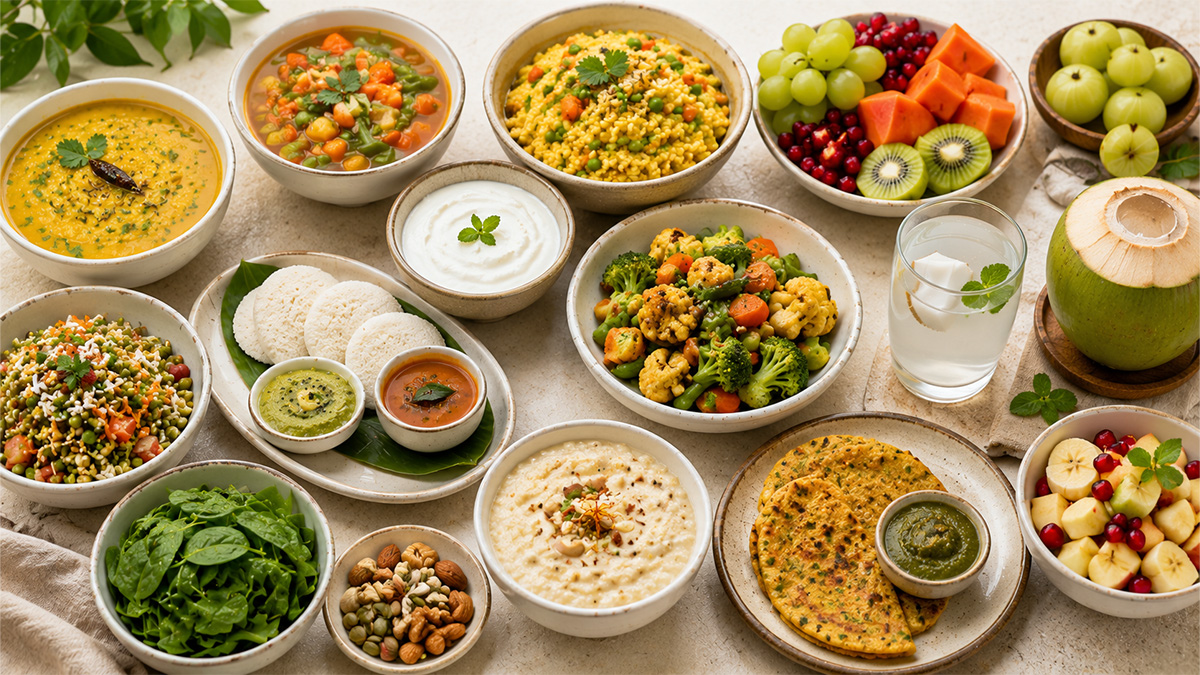
While you must avoid foods that carry an increased risk of infections during pregnancy, monsoon platters are not boring either. There are several interesting foods you can add to your monsoon nutrition.

  • Fresh fruits, leafy greens, and vegetables can be included in your diet and even seasoned for extra taste. Ensure vegetables, fruits, and leafy greens are washed thoroughly because they can trap mud and bacteria during the rains. Include seasonal fruits in your diet. Add bananas for energy, and pomegranates for the extra boost of hemoglobin.
  • Specifically include vegetables like bottle gourd, ginger, and bitter gourd because they are packed with essential nutrients that help support a healthy pregnancy.
  • Include warm, comforting food for the wet season. Include hot soups and khichdi in your diet for that wholesome nutrition.
  • Probiotics like curd and buttermilk can keep your gut healthy. Remember to drink fluids at room temperature to avoid throat infections and cold-like symptoms.
  • Hydrate yourself throughout your pregnancy. Water and fluids are essential to maintain body temperature and maintain amniotic fluid levels that have a direct impact on fetal growth and development.

Pregnancy Nutrition During Monsoon at a Glance

What You Can Eat

  • Freshly cooked meals
  • Bananas and pomegranates
  • Leafy vegetables
  • Soups and khichdi
  • Curd and buttermilk

What You Must Avoid

  • Street food
  • Raw salads
  • Undercooked fish
  • Fried snacks
  • Raw papaya and pineapple

Kinder Women’s Hospital and Fertility Centre: Monsoon Nutrition for Healthier Pregnancies

Kinder Women’s Hospital and Fertility Centre is a leading maternity hospital in Bangalore. We have a team of the best nutritionists offering personalized pregnancy diets for every diagnosis. From immunity-boosting diets for the monsoons to safe nutrition plans, our health care professionals guide healthy pregnancies and postnatal care. Book a consultation at Kinder Women’s Hospital and Fertility Centre and experience smart nutrition for a safer monsoon pregnancy.

Frequently Asked Questions

Can I eat street food during a monsoon pregnancy?

It is advisable to avoid street food during pregnancy in the monsoons. Street food and uncooked items may increase the risk of foodborne infections.

Which fruits are safest during the monsoon?

During the monsoons it is best to include fruits that you can peel and eat. For example, bananas, oranges, and pomegranates are generally safer choices. This is because other fruits, if not washed properly, can contain mud and bacteria that may cause infections.

How important is hydration during the monsoon?

Staying well hydrated is essential for maternal health and supports your baby’s development. Hydration maintains body temperature and amniotic fluid levels that have a direct impact on fetal development and growth.




× Chat