
Women who conceive their first child through IVF often ask if it is safe to undergo IVF again after IVF pregnancy? IVF after IVF pregnancy is generally considered safe. However, the success rate depends on several factors, including gestation gap, previous cycle outcomes, and underlying health concerns. It is important to note that conceiving naturally after an IVF conception is possible and also not uncommon.
A successful first IVF pregnancy does not necessarily mean your second IVF attempt will also be successful. IVF success after your first baby depends on several factors.
One of the key considerations is to have an appropriate time gap between your first delivery and your second IVF cycle. Gynecologists usually recommend an 18-24 month gap before attempting a second IVF. This time gap allows your body to recover from your earlier pregnancy and delivery, stabilize hormone levels, and restore lost nutrient stores, reducing potential complications.
The chances of success in a second IVF attempt after a successful first IVF pregnancy is generally high. However, the clinical success rate is largely influenced by the woman’s age, ovarian reserve, and overall health. IVF specialists may consider the tests and diagnosis from the first successful IVF pregnancy to help tailor the approach for a successful second attempt. You may also be advised to undergo new tests to determine your current health status.
With knowledge of what worked and what didn’t work in your first IVF pregnancy, IVF specialists can analyze and adjust treatment plans accordingly for your second attempt, reducing the risk of a failed attempt and the need for repeat fertility treatment. However, couples are advised to have realistic expectations because each IVF cycle is different and may yield different results.
Using the frozen embryos from your successful first IVF attempt increases the chances of success in your subsequent IVF attempt by eliminating the need for a full ovarian stimulation cycle, which can be physically draining and emotionally stressful.
Your IVF specialist will evaluate and monitor your current health, including ovarian reserve, underlying health conditions, and hormonal balance, to adjust IVF treatment for more successful outcomes.
Just like the protocols you followed for your first attempt, it is equally important to manage your health before you prepare for a second attempt at in-vitro fertilization. It is essential to ensure your body and mind are ready for a repeat IVF cycle and another pregnancy.
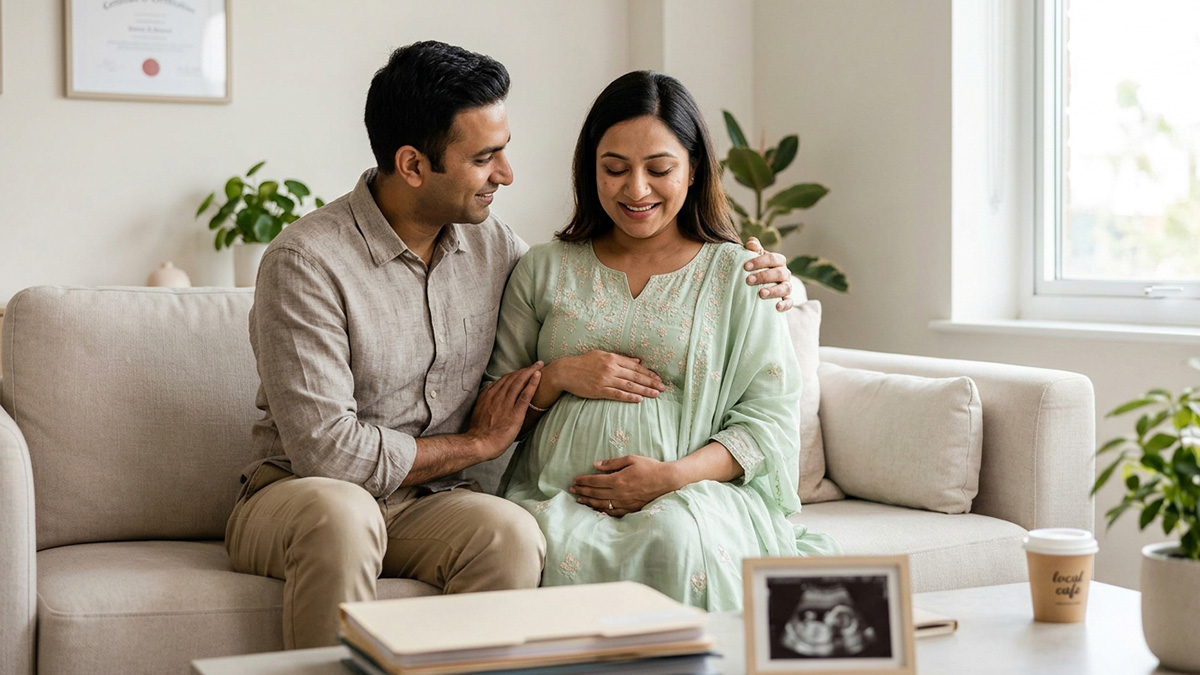
At Kinder Hospital Bangalore, we support every step towards parenthood. From advanced IVF care to IUI and ICSI, we provide compassionate care with trusted results. Our team of experienced IVF specialists and healthcare professionals ensures expert IVF solutions for your parenthood journey. Schedule your appointment today at Kinder Hospital Bangalore for advanced fertility care you can trust.
Generally, there is no specific number of attempts that is considered safe after a failed IVF attempt. However, gynecologists generally advise pursuing another attempt after a gap of a few menstrual cycles. Again, medical considerations and emotional state play a crucial role in determining a safe IVF attempt.
Yes, it is safe to undergo IVF again after an IVF pregnancy. However, the success rate depends on various factors, such as optimal gap, age, ovarian reserve, and underlying health conditions.
Yes, if the frozen embryos are viable and available from the previous cycle, they can be used for a second IVF attempt without the need for a full ovarian stimulation cycle.