
It is the hope of aspiring parents to have a smooth pregnancy journey and welcome a healthy baby. However, sometimes, complications in pregnancy can lead to unexpected challenges that may affect the health and well-being of both the mother and the unborn baby. Fortunately, fetal medicine and advanced technology have significantly improved prenatal care, helping to protect the baby’s health inside the womb to a great extent and improve pregnancy outcomes. So, what is fetal medicine, and how does it protect your unborn baby?
Fetal medicine is a specialty of gynecology that focuses on the health and care of the unborn baby or fetus during pregnancy. It uses prenatal diagnosis such as, advanced imaging, therapeutic techniques, and genetic testing to identify complications in pregnant women. If you are looking for a fetal medicine specialist in Bangalore, understanding the role of fetal medicine can help you make informed decisions during pregnancy.
Fetal medicine specialists use advanced diagnostic tools to monitor the baby’s development during pregnancy. Ultrasound scans, genetic tests, fetal MRIs, non-invasive prenatal testing, nuchal translucency scan, and fetal echocardiogram are some of the advanced diagnostic tests that can detect anomalies in the fetus. For example, Nt scan and anomaly scan.
Monitoring the growth of the baby through these scans and tests allows fetal medicine specialists to detect potential birth defects early and ensure timely intervention.
Through prenatal diagnosis, specialists can monitor several aspects of fetal growth and pregnancy, including fetal size, placenta health, amniotic fluid levels, and the physical development of the fetus. Fetal anomalies or birth defects can be detected early, allowing timely medical intervention, informed decision-making, and appropriate pregnancy management.
Advanced medical science has paved the way for in-utero treatments that help to correct or manage the anomalies before birth. For example, fetal medicine specialists can perform fetal blood transfusions for highly anaemic babies, directly through the umbilical cord, thereby improving the baby’s health inside the womb and improving the chances of a healthier birth and postnatal outcome.
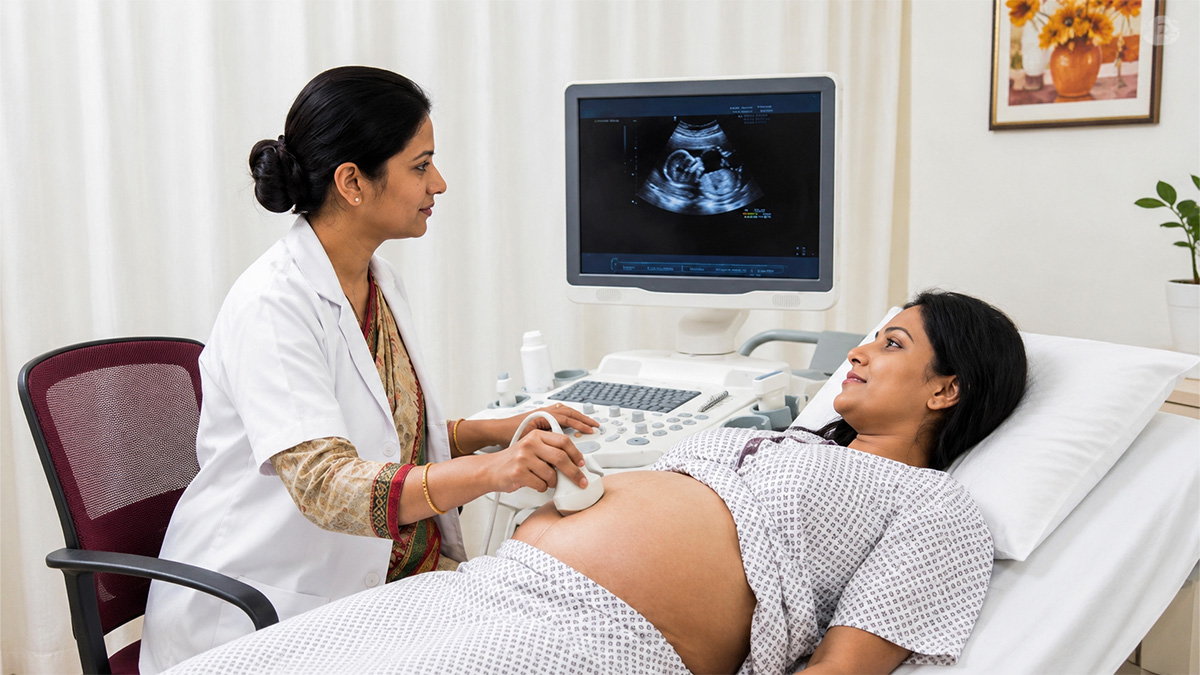
Generally, your gynecologist may suggest a fetal medicine specialist if any anomalies are detected during routine pregnancy scans. Also, it is advisable to see a fetal medicine specialist if you are carrying a high-risk pregnancy or diagnosed with any of the following conditions during pregnancy:
At Kinder Hospital, we have a team of the top fetal medicine specialists in Bangalore offering expert diagnosis and treatment for fetal anomalies. Our advanced diagnostic tools and state-of-the-art facilities ensure safe procedures and better clinical outcomes. Our Level III NICU and health care facilities promote the best possible care for newborns, ensuring specialized support for babies who require intensive monitoring and treatment after birth. Book a consultation at Kinder Hospital Bangalore and experience a safe pregnancy, childbirth, and healthcare.
Yes, certain fetal conditions like anemia, can be treated before birth through fetal blood transfusions. Many fetal conditions can be monitored or treated during pregnancy through specialized procedures, helping improve outcomes for the baby.
No. Fetal medicine can also help monitor fetal anomalies identified during routine prenatal scans.
Yes. Ultrasound-based fetal medicine scans are safe for both mother and baby.
Doctors may suggest fetal scans at different stages of pregnancy or during high-risk pregnancy cases. It depends on the baby’s development and medical needs.